

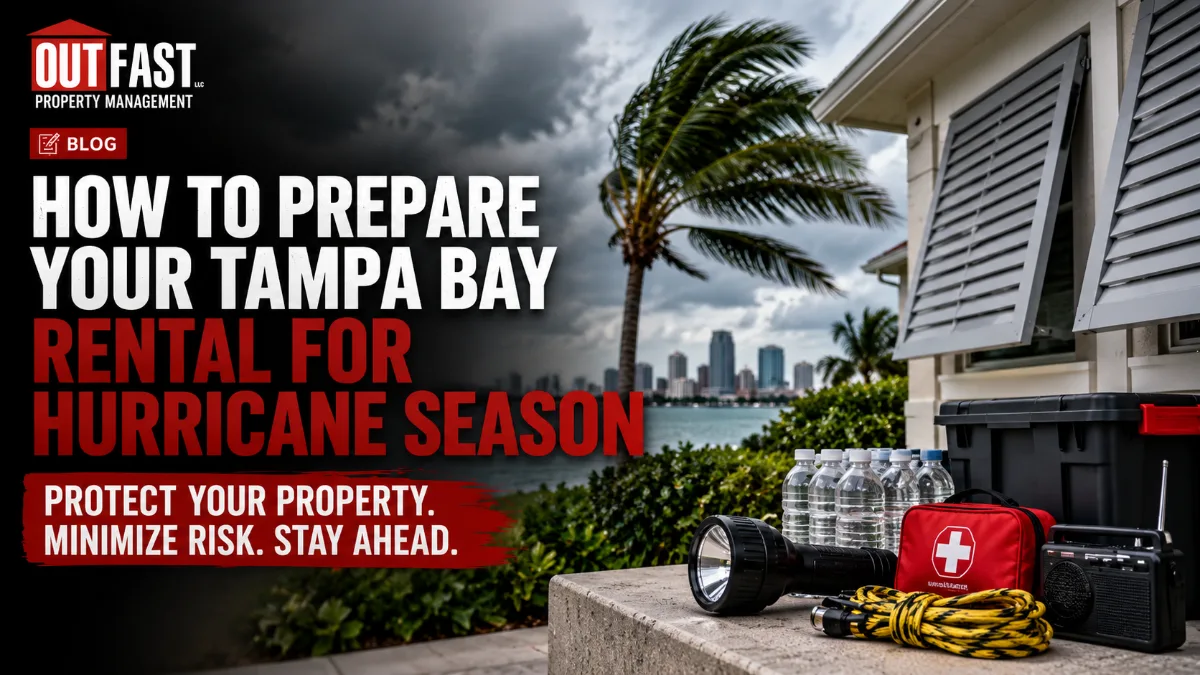
Tampa Bay is one of the most beautiful places in the country to own a rental – and one of the most exposed to hurricanes. The bay’s shallow, funnel-shaped geography, low elevation, and dense coastline mean that even a storm that never makes direct landfall here can push damaging surge into Pinellas and Hillsborough neighborhoods. For a rental owner, hurricane season is not something to react to in September. It is something to plan for in June, so that when the National Hurricane Center starts naming systems, your property, your paperwork, and your tenants are already ready.
This 2026 guide walks Tampa Bay landlords and owners through exactly how to prepare for a hurricane: what to do before the season, how to harden the property, how insurance really works here, what to communicate to tenants, and how to handle the days after a storm.
This article is general information for Tampa Bay rental owners and is not legal or insurance advice. Confirm your specific responsibilities and coverage with a licensed Florida attorney and insurance agent.
Start before the season, not before the storm
The single biggest mistake owners make is waiting until a storm is in the forecast. By then, plywood is sold out, contractors are booked, and flood policies won’t help you – most flood insurance carries a 30-day waiting period before coverage takes effect. Good hurricane preparedness for a rental property in Tampa begins with a quiet checklist in early summer.
Before June turns into peak season, confirm the basics: your insurance is current and adequate, your roof and windows are in good repair, trees are trimmed, gutters are clear, and you know your property’s evacuation zone and flood zone. Pinellas and Hillsborough counties both publish evacuation-zone lookup tools by address – every owner and tenant should know theirs.
Tampa Bay evacuation zones (A through E) are based on storm surge risk, not wind, and they are different from FEMA flood zones. Look up your rental’s evacuation zone and flood zone by address at the start of every season and put both on your tenant info sheet.
Harden the property: the pre-storm checklist
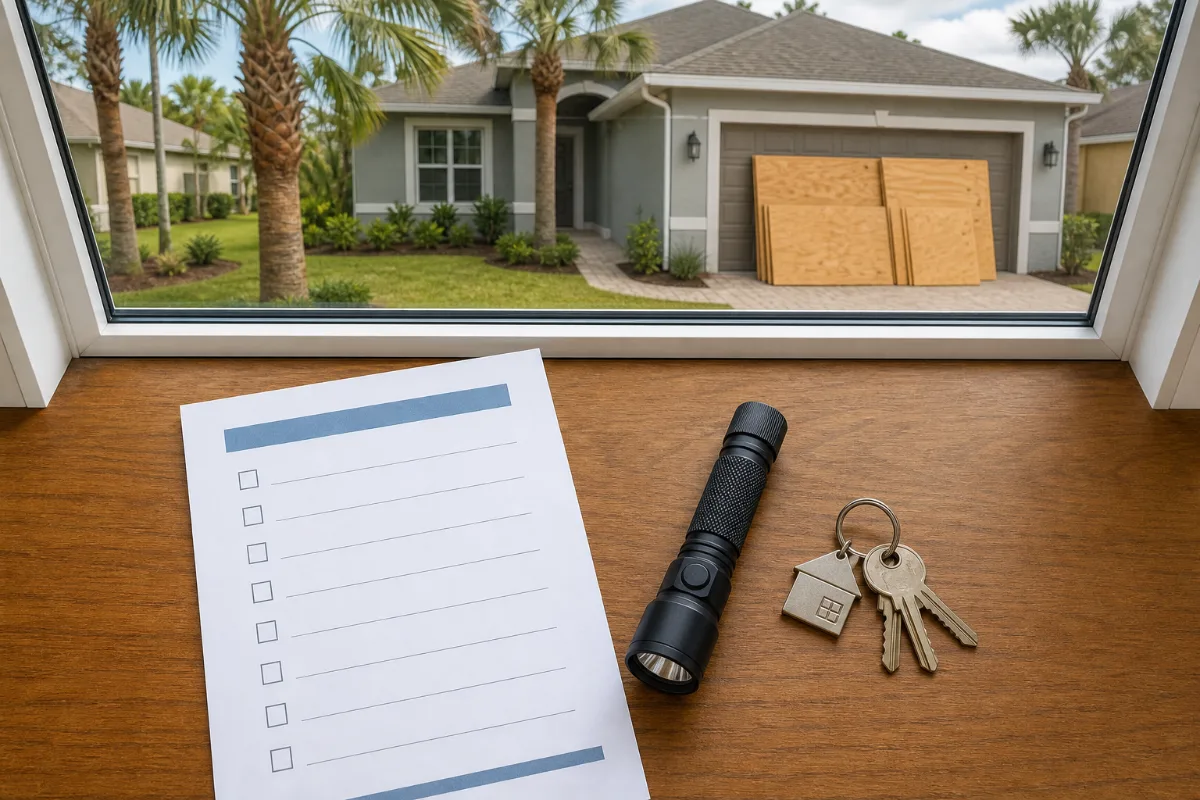
Protecting a rental property from a hurricane comes down to reducing what the wind and water can grab. Work through this before each named storm, and complete the durable items once at the start of the season.
- Roof and gutters: Have the roof inspected and any loose shingles or flashing repaired. Clear gutters and downspouts so water drains away from the foundation.
- Windows and doors: Install or stage storm shutters, or keep pre-cut plywood on hand. Confirm garage doors are wind-rated or braced – garage-door failure is a leading cause of catastrophic roof loss.
- Trees and landscaping: Trim dead or overhanging branches well before a storm. Once a watch is issued, it is too late and yard debris becomes projectiles.
- Outdoor items: Anywhere a tenant lives, agree in advance who brings in patio furniture, grills, trash cans, and planters. These become missiles at 100 mph.
- Drainage and sandbags: Know where the county distributes sandbags and how much lead time you have. Clear any drains around the property.
- Documentation: Photograph the property in good condition before the season so you have a clear “before” record for any future claim.
Get your insurance right – especially flood
Insurance is where Tampa Bay owners get hurt the most, and it is almost always because of a coverage gap they didn’t know they had. Three policies matter:
- Landlord (dwelling) policy. This covers the structure and often loss of rent, but read the hurricane/named-storm deductible carefully. In Florida this is usually a percentage of the insured value (commonly 2-10%), not a flat dollar amount – a real out-of-pocket number worth knowing in advance.
- Flood insurance. Standard policies do not cover flood or storm surge. Given how much of Tampa Bay sits at low elevation, a separate flood policy (NFIP or private) is essential – and required if you have a federally backed mortgage in a high-risk zone. Remember the 30-day waiting period.
- Wind/windstorm coverage. Confirm wind is included and not excluded or carved out to a separate policy. In some coastal areas, wind is written separately through Citizens Property Insurance.
For your tenants, renters insurance is the missing piece. Your policy will not replace their belongings or pay for their temporary housing. Requiring renters insurance in the lease is one of the simplest ways to protect everyone and reduce disputes after a storm.
A 5% hurricane deductible on a $400,000 insured structure is a $20,000 out-of-pocket loss before your policy pays a dollar. Know your number before the season so a claim is never a surprise.
Communicate with your tenants – in writing
A storm is stressful, and clear communication prevents both danger and disputes. Before the season, give every tenant a simple, written hurricane plan and keep a copy. It should cover how to reach you, that any life-threatening emergency means calling 911 (not the landlord first), their evacuation zone, where to shut off water and electricity, how to secure outdoor items, and how to report damage afterward.
During an active storm, keep messages short and factual: whether an evacuation order applies, any pre-storm steps you need from them, and how you’ll follow up. After the storm, check in on their safety first. Florida law generally requires a landlord to keep the unit safe and habitable, and to make necessary repairs within a reasonable time; documenting your prompt response protects you if a dispute ever arises. Again – general information, not legal advice.
After the storm: safety, documentation, and claims
Once it is safe to access the property, work the problem in order:
- People first. Confirm tenants are safe and the unit is not dangerous (gas smell, downed lines, structural damage, standing water near electrical).
- Document before you touch anything. Dated photos and video of every affected area are the backbone of a strong insurance claim.
- Prevent further damage. Make only temporary repairs – tarping a roof, boarding a broken window – and keep every receipt. Do not start major repairs before your adjuster has seen the loss unless safety requires it.
- File promptly and beware storm chasers. Report the claim quickly. Be cautious of unlicensed contractors and anyone pressuring you to sign over your insurance benefits. Get written, itemized estimates from licensed Florida contractors.
This is the point where having a local property manager pays for itself. When you’re out of state or juggling multiple homes, having a team already on the ground in Tampa Bay to inspect, document, coordinate emergency repairs, and communicate with tenants turns a chaotic week into a managed process.
The bottom line for Tampa Bay owners
Hurricane preparedness for a rental is really three habits: harden the property before the season, close your insurance gaps (especially flood), and communicate clearly with tenants in writing. Do those three things every June and you turn hurricane season from a source of dread into a routine part of owning Tampa Bay real estate.
Out Fast Property Management manages homes across Tampa, St. Petersburg, and the wider Tampa Bay area – including pre-storm prep, tenant communication, and post-storm damage coordination. Talk to our Tampa team and head into hurricane season with a plan.
Frequently Asked Questions
When is hurricane season in Tampa Bay?
The Atlantic hurricane season runs June 1 through November 30, with peak activity for the Gulf Coast typically August through October. Tampa Bay’s shallow, funnel-shaped bay makes storm surge a particular concern, so owners should have their rental storm-ready before the season starts, not when a storm is already named.
Is a landlord responsible for hurricane damage to a Florida rental?
Generally, the landlord is responsible for the structure – roof, windows, exterior, and major systems – and for keeping the unit safe and habitable, while the tenant is responsible for their own personal belongings, which is why renters insurance matters. Florida law does not force a landlord to install shutters, but you must maintain the property in reasonable repair. This is general information, not legal advice.
Does homeowners or landlord insurance cover flood damage in Tampa?
No. Standard landlord (dwelling) policies in Florida exclude flood damage. Storm surge and rising water are only covered by a separate flood insurance policy, typically through the National Flood Insurance Program (NFIP) or a private flood insurer. In much of low-lying Tampa Bay, flood coverage is essential even outside a designated flood zone.
What should I put in a hurricane plan for my tenants?
Give tenants a simple one-page plan before the season: your emergency contact, who to call for the property versus for a life-threatening emergency (always 911), evacuation-zone information, where to shut off water and power, how to report damage afterward, and a reminder to carry renters insurance. Sharing it in writing protects both sides.
What do I do first after a storm hits my rental?
Confirm your tenants are safe, then document everything. Take dated photos and video of all damage before cleanup, make only temporary repairs needed to prevent further damage (keep receipts), and file your insurance claim promptly. Avoid unlicensed ‘storm chaser’ contractors and get written estimates.


