


Renting to Housing Choice Voucher holders – what most people still call Section 8 – is one of the more misunderstood decisions a Tampa Bay landlord can make. Some owners avoid it out of assumptions about paperwork or tenant quality; others actively seek it out for the reliable, government-backed portion of the rent. The truth sits in the details: how the program works locally, what the inspection requires, and where the real pros and cons lie. This 2026 guide is written for Tampa Bay landlords and owners weighing whether Section 8 fits their property – a practical how-to, distinct from the investor-return angle covered in our Section 8 investing in Tampa Bay post.
Program rules and local ordinances change, and this is general information, not legal advice. Confirm specifics with the relevant housing authority or a licensed Florida attorney before acting.
How Section 8 works in Tampa Bay
Section 8 is a federal program funded by HUD but run by local public housing authorities. In Tampa Bay, that primarily means the Tampa Housing Authority within the city, and the county authorities for Hillsborough and Pinellas outside city limits. An eligible household is issued a voucher, finds a private rental that meets program standards, and then:
- The tenant pays roughly 30% of their adjusted income toward rent and utilities.
- The housing authority pays the remaining subsidy directly to the landlord, typically by direct deposit, every month.
- The landlord signs a Housing Assistance Payments (HAP) contract with the authority alongside the normal lease with the tenant.
For a landlord, the headline benefit is that a substantial, dependable share of the rent comes from the government on a predictable schedule.
Do Tampa landlords have to accept Section 8?
This is where owners get the most confused, so let’s be precise. Florida has no statewide law requiring landlords to accept vouchers, and “source of income” is not a protected class under Florida or federal fair housing law. That means, in most of Florida, choosing not to participate is legal.
However – and this matters – some Florida localities have passed source-of-income ordinances, and the landscape can change. So the correct move is to check the current rules for your specific city and county rather than assume. And if you do accept vouchers, you must still follow the Fair Housing Act: apply the same screening standards (credit, background, rental history, income-to-rent ratio applied to the tenant’s portion) consistently to every applicant.
Even where accepting Section 8 is optional, you cannot use it as a cover for discrimination against a protected class (race, color, national origin, religion, sex, familial status, or disability). Screen every applicant by the same written criteria, and document your decisions.
The inspection: what NSPIRE checks
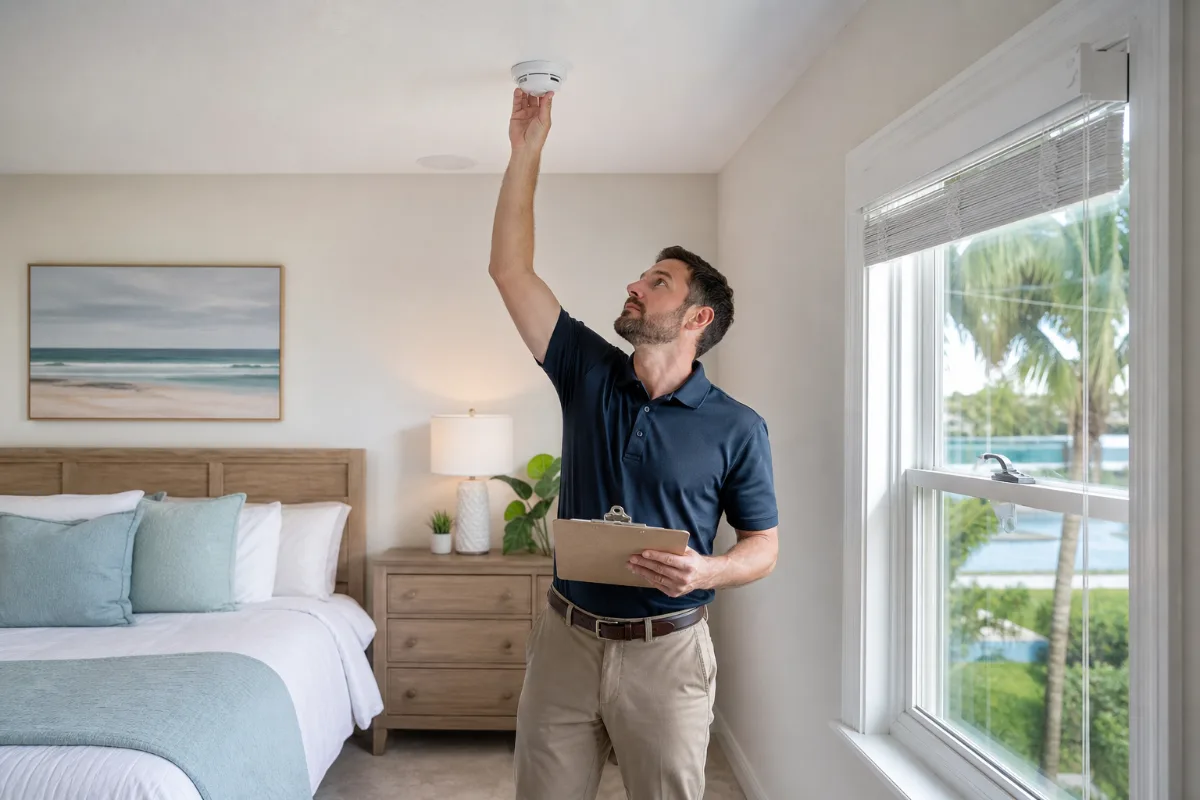
Before the housing authority releases any payment, the unit must pass an inspection under HUD’s current NSPIRE standard (National Standards for the Physical Inspection of Real Estate). NSPIRE is health-and-safety focused. Inspectors commonly check:
- Working smoke detectors and carbon monoxide detectors
- Safe, functional electrical and no exposed hazards
- Hot and cold running water, working plumbing, and adequate heat
- Secure, operable windows and doors with working locks
- No peeling paint hazards (especially in pre-1978 homes), pest infestation, or structural safety issues
- General habitability and cleanliness of major systems
The real pros and cons for landlords
Every property is different, but here’s the honest ledger Tampa Bay owners weigh.
Pros
- Reliable, direct payment of the subsidy portion from the housing authority.
- Strong tenant demand and often longer tenancies, reducing turnover and vacancy.
- A large, stable renter pool in a market where affordability is tightening.
Cons
- Upfront inspection and paperwork can delay your first payment if the unit needs repairs.
- The tenant’s portion is still their responsibility – the voucher doesn’t guarantee they’ll pay their share.
- Periodic re-inspections and program administration require attention.
- Annual rent adjustments are subject to the authority’s payment standards and rent-reasonableness review.
Note the query many Tampa landlords search: “private landlords that accept evictions.” Some voucher holders have a prior eviction on record and look for owners willing to consider their full picture. You are never required to rent to someone with a disqualifying history, but you may choose to look at the whole application – as long as your criteria are consistent and fair-housing compliant.
How to start accepting Section 8 in Florida
If you decide to participate, the path is straightforward:
- Contact the right housing authority for your property’s location (Tampa Housing Authority, or the Hillsborough or Pinellas county authority) and ask to be listed as a participating landlord.
- List your available unit and confirm your asking rent is within the payment standard and reasonable versus comparable units.
- Screen the applicant with your standard, consistently applied criteria.
- Pass the NSPIRE inspection – fix common issues (detectors, minor electrical, locks) ahead of time.
- Sign the HAP contract and lease, then receive the subsidy by direct deposit each month.
The bottom line
Section 8 in Tampa Bay is neither the headache some owners fear nor free money. It’s a program that trades a bit more upfront process for reliable, government-backed rent and strong demand. If you understand the local authorities, prepare your unit for the NSPIRE inspection, and screen fairly and consistently, voucher tenants can be a solid part of a Tampa Bay rental portfolio.
Out Fast Property Management works with Tampa Bay owners on screening, inspections, and compliant leasing – including Section 8. Talk to our team to see whether it’s a fit for your property.
Frequently Asked Questions
What is Section 8 and how does it work in Tampa?
Section 8 – officially the Housing Choice Voucher program – is a federal HUD program administered locally by housing authorities. An approved tenant pays roughly 30% of their income toward rent, and the housing authority pays the rest directly to the landlord each month. In Tampa Bay it’s run mainly by the Tampa Housing Authority and the Pinellas County / Hillsborough County housing authorities, depending on the property’s location.
Do landlords have to accept Section 8 in Florida?
There is no statewide Florida law requiring landlords to accept Section 8, and ‘source of income’ is not a protected class under Florida or federal fair housing law. However, some local ordinances in Florida do prohibit source-of-income discrimination, so check your specific city and county. If you do accept vouchers, you must apply your screening criteria consistently and follow fair housing law. This is general information, not legal advice.
How much does Section 8 pay landlords in Tampa Bay?
The subsidy is based on the area’s Fair Market Rent and ‘payment standards’ set by the local housing authority, plus a rent-reasonableness check to confirm your asking rent is in line with comparable market units. You generally cannot charge a voucher tenant more than a similar non-voucher tenant. The authority pays its portion directly; the tenant pays the remainder.
What is the Section 8 inspection and what does it check?
Before the housing authority pays, the unit must pass an inspection under HUD’s NSPIRE standard, which focuses on health and safety – working smoke and CO detectors, safe electrical, hot water, heat, secure windows and doors, no major hazards, and general habitability. Units are re-inspected periodically. Fixing common issues before the inspection avoids delays in your first payment.
Can you evict a Section 8 tenant in Tampa?
Can you evict a Section 8 tenant in Tampa?
Yes. Voucher tenants can be evicted for lease violations or nonpayment of their portion, but you must follow the Florida eviction process and the program’s notice requirements, and coordinate with the housing authority. A voucher does not remove a tenant’s obligations – it changes who pays which share of the rent.


